One inspection halves the fault rate
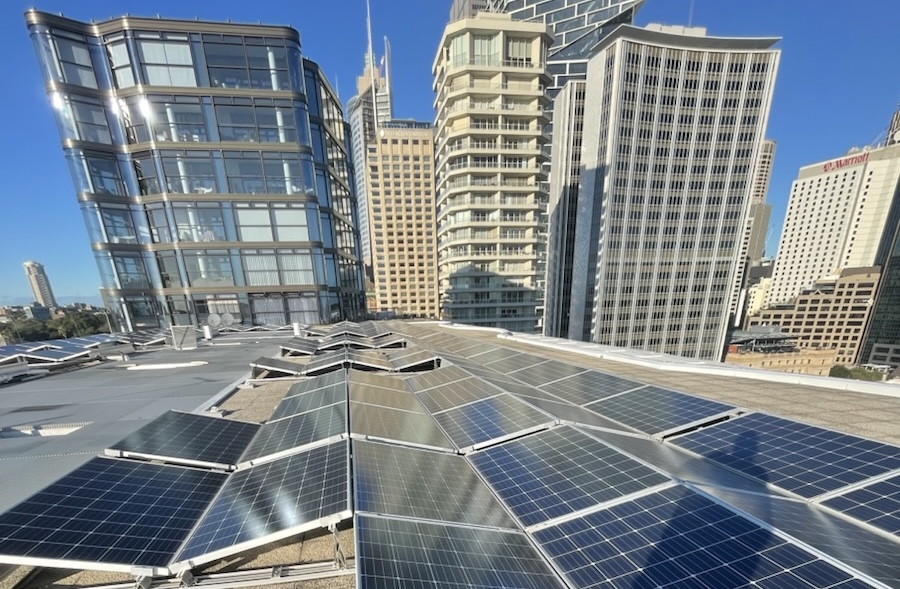
Industrias inspection data shows what proactive maintenance actually delivers, and how many systems are still going without it.
Australia has more than four million rooftop solar systems installed. Add commercial and industrial assets on top of that and the country is running one of the largest distributed energy fleets in the world.
Much of it is now well into its second decade.
Those systems have been through years of heat, storms, thermal cycling and general wear. A large share of them have had little to no meaningful maintenance since the day they were commissioned.
We wanted a clear picture of what that means in practice, so we went to our inspection data and found some amazing results…
Almost one in four systems carries a fault
Across the systems Industrias has inspected, almost one in four contained at least one fault serious enough to affect performance or safety.
The majority of those issues sat with inverters, cabling and isolators. These are the components that do the most work, take the most thermal punishment and carry the most risk as they degrade.
Most of the faults were invisible to the owner.
That is the part worth sitting with. A system with a failing isolator or a degraded cable run will keep producing electricity. It will keep showing numbers on the monitoring portal. The owner has no obvious signal that anything is wrong.
“Many asset owners assume their systems are operating as intended because they continue generating electricity,” says Daniel Lazarus, co-founder and CEO at Industrias. “We regularly find faults that reduce performance, create reliability risks or present safety concerns, often with no visible sign to the owner.”
What changes at the second inspection
Here is the finding that shifts the conversation.
After an initial inspection and rectification, fault incidence dropped by approximately 50% at the second inspection.
One round of proper inspection and repair takes half the problem off the table.
The other half is the ongoing part. Solar and battery systems sit outdoors in Australian conditions and degrade continuously, so new issues will always emerge between visits. What changes is the severity of what inspectors find. Faults get caught while they are still small, cheap and low risk, well before they drag down performance or create a safety exposure.
“These faults don’t simply disappear,” says Daniel. “Solar and battery systems are exposed to weather, thermal cycling, component degradation and general wear. New issues emerge over time, and they get worse if left unchecked. That is precisely why ongoing inspection and maintenance remains critical.”
The pattern repeats across the portfolio
The same result shows up across our national inspection portfolio. Systems that had received fragmented maintenance, or none at all since installation, showed preventable fault rates consistent with the overall finding.
Patchy maintenance produces roughly the same outcome as no maintenance. Consistency is what delivers the result.
Who should be paying attention
The findings apply well beyond a single category of owner:
- Residential owners with systems approaching or past ten years of service
- Commercial and industrial owners running solar as part of an energy cost strategy
- Portfolio managers responsible for generation performance across multiple sites
- Insurers assessing risk on properties with distributed generation
- Councils and community organisations overseeing shared solar infrastructure
If a system is generating revenue, offsetting a load or sitting on a roof above people, it warrants the same scheduled attention as any other asset of comparable value.
A maintenance-first position
“Installing solar is only the beginning,” says Daniel. “If solar is energy security, maintenance is what protects that security. Annual inspections should be as standard as any other routine asset check.”
Australia’s energy transition is usually measured in new capacity: panels installed, batteries connected, megawatts added. The integrity of what is already on the roof deserves the same weight. Four million systems running below their potential, or carrying undetected safety risks, is a national performance problem hiding in plain sight.
The data says the fix is available and it works. Inspect, rectify, repeat.