Waiting a few months could save your NSW business $65,000
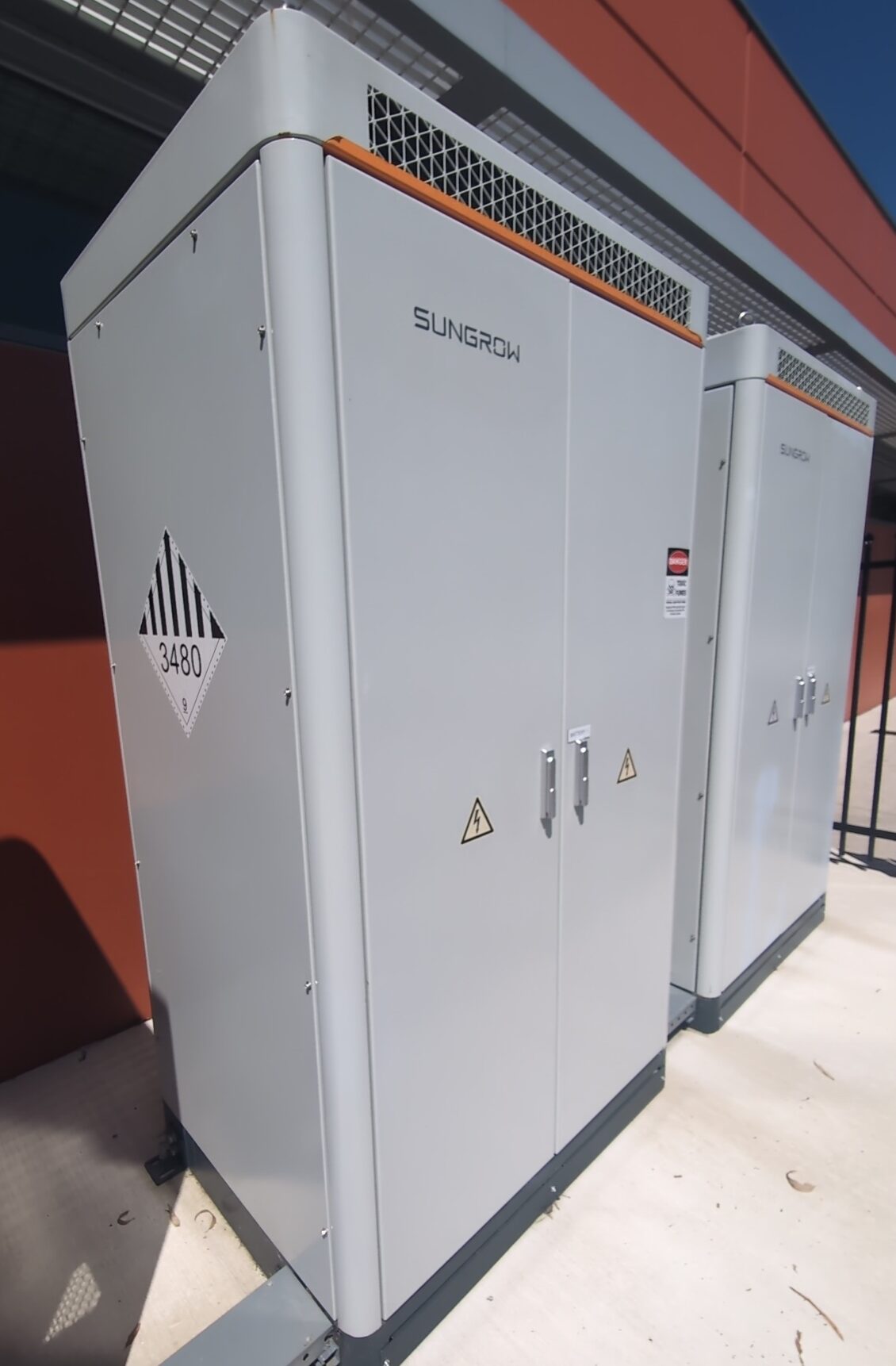
If your business is in NSW and has a battery installation quote sitting in your inbox, read this blog and contact us first! That same system could be up to $65,000 cheaper from September, and the only thing you need to do to claim the difference is wait. It cuts against every instinct in energy management, where moving early is usually the whole game, but right now patience is the most profitable position a NSW business can take on energy storage.
A first for NSW businesses
In July, the NSW Government released its latest round of changes to the Energy Security Safeguard, and buried in the detail is a genuine first: from 1 September 2026, the state’s Peak Demand Reduction Scheme will offer battery rebates to businesses. Until now, the scheme’s battery incentives stopped at households and small systems. The previous cap was 50kWh for battery rebates, but the new rules extend this with new schemes for 50kWh all the way up to 30MWh industrial-scale projects.
The catch, and the reason waiting wins, is a hard eligibility line: only installations completed on or after 1 September qualify. Install in August and you forfeit the rebate entirely. The weeks between now and commencement are for scoping, proposals and planning approvals rather than installation. Businesses that use that window well will be first in the queue when the scheme opens.
What’s on offer
The new incentives cover three tiers of the business market. Indicative rebate values, based on initial government documentation they have supplied:
| Activity | Who it’s for | Typical rebate value |
|---|---|---|
| BESS3 | Apartment buildings and strata (50kWh example) | $14,000 to $19,800 |
| BESS4 | SME businesses such as warehouses, retail and commercial sites (200kWh example) | $44,100 to $65,800 |
| BESS5 | Large commercial, industrial and community battery projects | Potentially $1,000,000+, with a 10MWh incentive cap |
Systems up to 100kWh can also stack the state rebate with the federal Cheaper Home Batteries Program, compressing the numbers further.
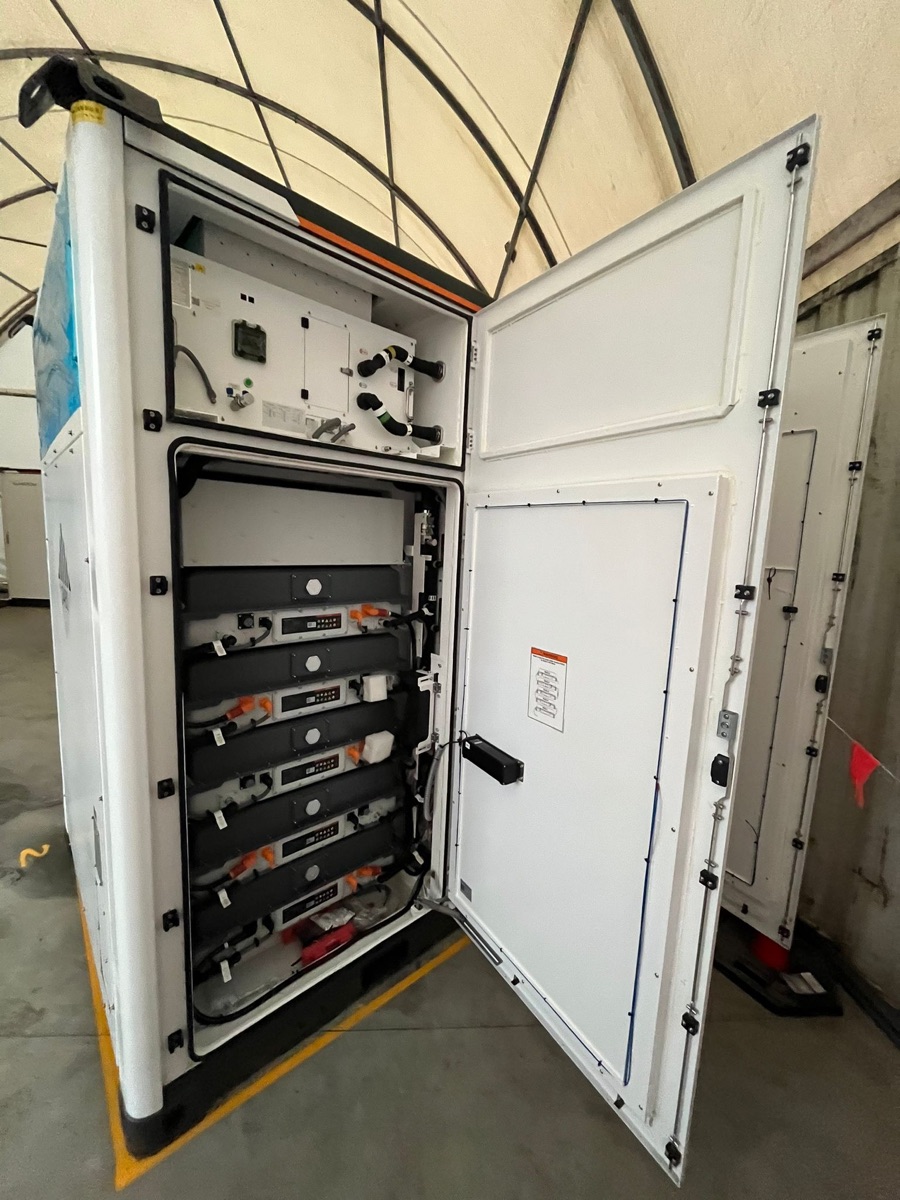
The numbers in practice
The NSW Government’s own modelling arguably makes the case better than any argument could. For a small-to-medium business, a 200kWh battery system costing $125,000 installed attracts a $44,100 rebate, cutting the net cost to $80,900 and shortening the payback period from ~ 9 years to 5.8.
Pair the battery with new solar and the economics improve again. The same 200kWh system alongside 100kW of new solar comes in at $190,000 before incentives. With just over $87,000 in combined state and federal support, the net cost lands at $102,672 and the payback period falls to 3.8 years. There is a deliberate design choice at work here: the scheme pays a higher rebate where new solar is installed with the battery, provided the solar capacity is at least a quarter of the battery capacity.
And the support scales. For large commercial and industrial sites, the government’s case study on a 5MWh battery shows rebates of $1.1 million for a battery-only installation and $1.65 million when paired with 2.5MW of new solar, bringing payback periods that once sat at 7 to 10 down to 6.5 and 5.1 years, respectively.
A prudential approach, especially given the way commercial energy projects actually run, should mean preferencing preparation. Rebates are still to be locked in and the published values are indicative. The final settings could shift before commencement. But the basics will still need to be done. That is: A proposal, a site assessment, planning approval and an installer booking all take weeks to arrange, and once the scheme opens, installer capacity across NSW will tighten quickly.
There is a second pressure, and it sits on the other side of 1 September. The market is expected to saturate fast once the scheme opens, as the businesses currently sitting on quotes all move at once. As that demand builds, the rebate is expected to start falling, and it could fall steeply. By how much, and how soon, is the part no one can answer yet.
The practical consequence is that the highest rebate values will go to the businesses ready to install first. Patience pays until 1 September. After that, it costs.
What to do now
The safe bet likely is doing nothing irreversible before 1 September, but do everything preparatory now. Get your site assessed, understand which tier of the scheme you fall into, and have a proposal ready to execute the moment the rules take effect.
If you’d like to be ready on day one, talk to the Industrias team to confirm your site’s eligibility and map out exactly what you need in place before commencement. The rebate window opens in September. The preparation window is open now…
Contact us to find out more about how you can benefit from this scheme